In this interview, Evakordor Benson Diengdoh, Junior Research Fellow in Religious Studies at the University of Tartu, discusses research on identity construction and ritual development among the Khasis of Northeast India. Focusing on the annual pilgrimage to Lum Sohpetbneng (Navel of Heaven) in Meghalaya, the conversation explores how the pilgrimage has evolved since its inauguration in 2000, how local practitioners negotiate the categories of “religion” and “culture” on their own terms, and how the legacy of colonial ethnography and missionary encounters continues to shape identity in the region. The interview also reflects on the more plural image of India that emerges from this research and its connections with ESIND’s study of European representations of indigenous communities.
1) Can you present yourself and the research you are working on, particularly what drew you to the annual pilgrimage to Lum Sohpetbneng (Navel of Heaven) as a way for studying ritual development among the Khasis in Meghalaya?
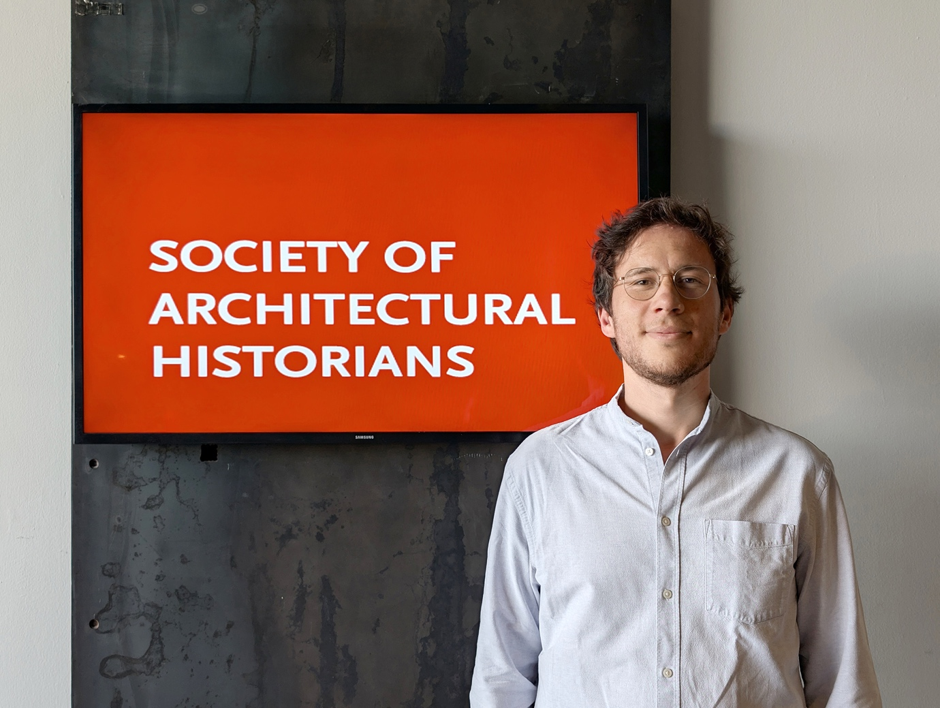
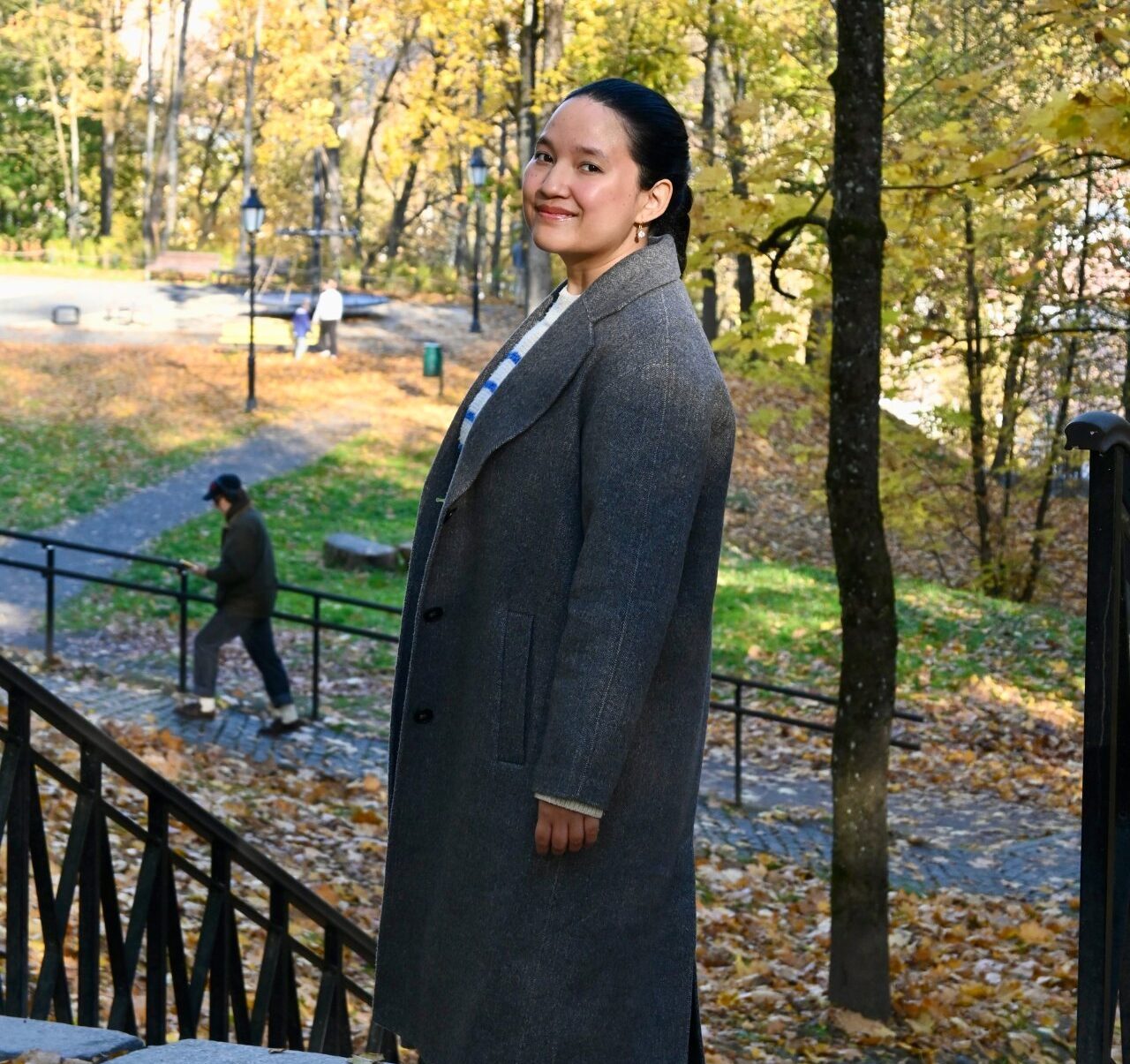
My name is Evakordor Benson Diengdoh, Eva for short. I am from Shillong, a city in Northeast India. Currently, I am a Junior Research Fellow in Religious Studies at the University of Tartu in Estonia. My research combines the discursive study of religion with ethnography. I am particularly interested in how categories such as “religion” and “culture” are constructed and negotiated through texts and practices, especially rituals.
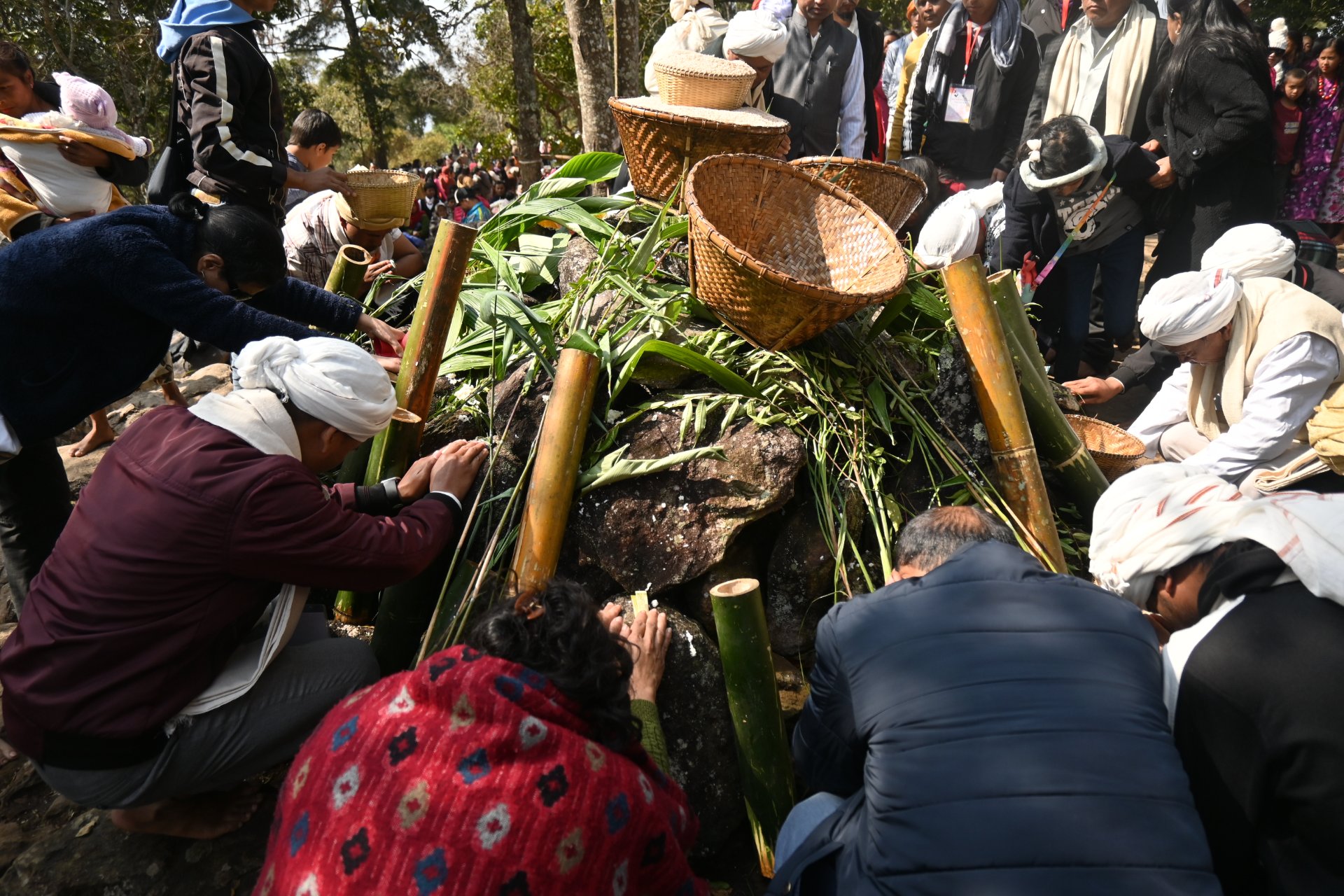
My research explores identity construction and the development of rituals among the Khasis of Northeast India. The annual pilgrimage to Lum (Hill) Sohpetbneng (Navel of Heaven) has been my main case study for the past few years. The pilgrimage began in 2000, but there is relatively less in-depth research on it. This was one of the main reasons I was drawn to this case study.
Lum Sohpetbneng is particularly interesting because it provides an opportunity to analyse the construction, expression and reception of identity. Indigenous religious groups are not the only ones who have organised pilgrimages to this site, Catholics have also held pilgrimages there. This intersection between different groups and sub-groups as well as the ways in which they understand and engage with the site has been interesting to analyse.
2) How has the pilgrimage to Lum Sohpetbneng evolved in contemporary Khasi society, and in what ways do the discourses and practices surrounding this sacred site serve as a space for expressing collective identity today?
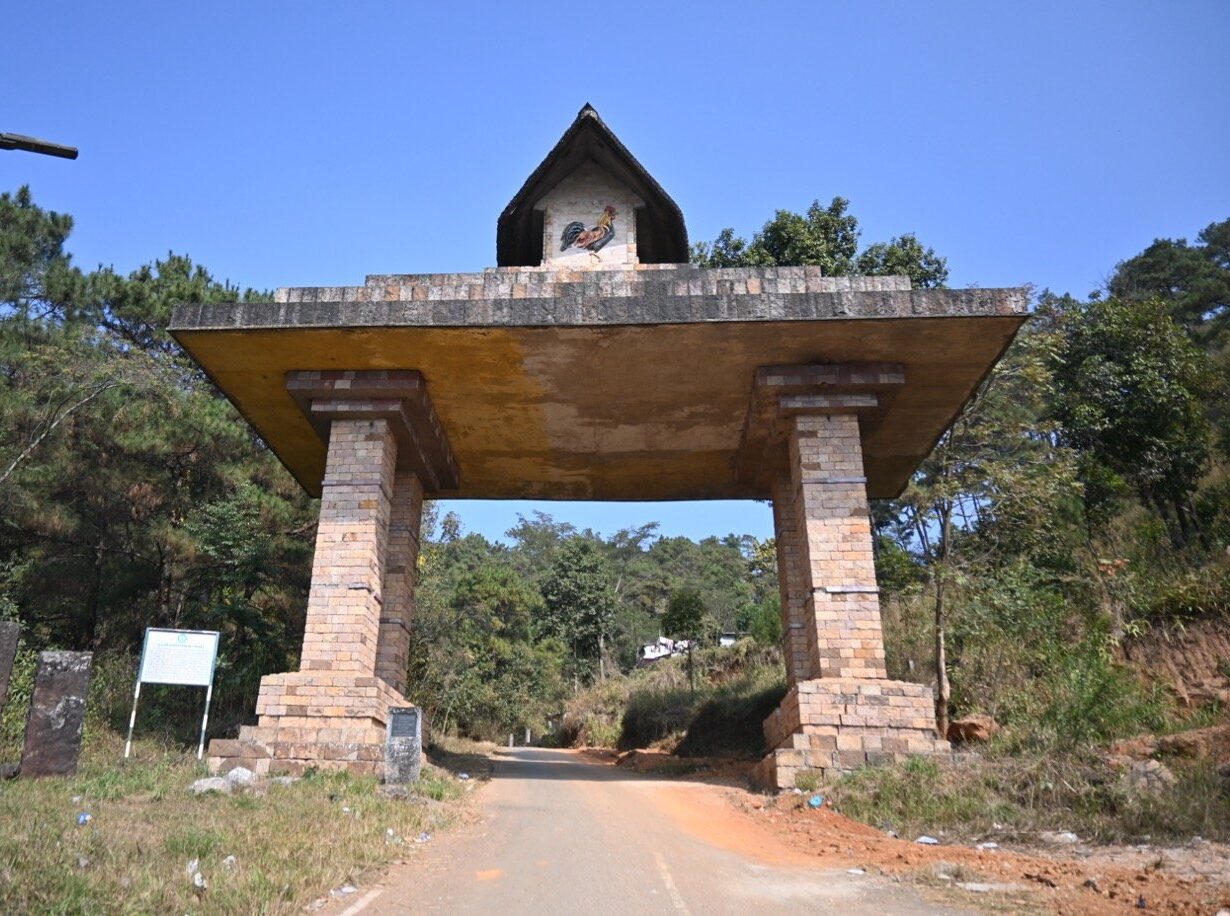
The pilgrimage to Lum Sohpetbneng has certainly evolved over the years. The extent of this change becomes apparent when one looks at photographs and videos from the inaugural pilgrimage in 2000. The pilgrimage has grown significantly in both participation and visibility not only among the locals in the Bhoi region but also across Meghalaya and Northeast India.
This growth has also brought changes to the landscape, including the construction of more structures and improvements in infrastructure. Better infrastructure has made it easier for pilgrims to travel to the site by car. During my fieldwork, I even came across makeshift parking lots for the many cars. The commercial aspects of the pilgrimage have also increased significantly, particularly in recent years, with more vendors setting up stalls and a wider range of goods being sold. These developments have contributed to the significant increase in the number of visitors over the years. More recently, Seng Khasi, the custodian of Lum Sohpetbneng, has been attempting to limit and regulate the makeshift market on the day of the pilgrimage.
In terms of identity expression, both the organisation of and participation in the pilgrimage are significant. For example, during my fieldwork, I observed people wearing traditional attire and participating in practices that highlighted and asserted their collective identity. These included traditional dances performed during the cultural programme, such as the “Mastieh”. I also interacted with Christians who attended the pilgrimage dressed in traditional attire and were eager to engage with what they understood as “Khasi culture”.
It is interesting to see how different individuals and sub-groups understand Khasi identity in different ways. Some understand it primarily in religious terms, others see it as a matter of culture, while some understand it as encompassing both. Therefore, the pilgrimage provides a space in which these different understandings of Khasi identity can be expressed and negotiated.
3) Western scholarship has historically imposed rigid boundaries between “religion,” “culture,” and “identity.” Through your fieldwork on Khasi ritual practices, how do local practitioners renegotiate these categories on their own terms?
Local practitioners have renegotiated these categories in their own ways. Western concepts and understandings of “religion” have influenced how Khasi traditions are articulated. For instance, during my fieldwork, I found imagery depicting the religious tenets articulated by the Seng Khasi being sold in the makeshift market at Lum Sohpetbneng. Such articulation presents the local traditions in a more formulated way, possibly reflecting Western patterns and understandings of religion.
However, this Western influence does not mean religion and culture are always understood as distinctly separate categories among the indigenous practitioners. Rather, the two have been accommodated within the understanding of what constitutes a Khasi religion. On the other hand, some Christians draw a distinction between religion and culture as a way of connecting with and engaging with their Khasi heritage. These different approaches demonstrate how the categories of religion and culture are not simply imposed from outside but are also interpreted, negotiated and used by local practitioners in different ways.
4) What have been the broader implications of British colonial rule and European missionary encounters for indigenous religious and cultural practices across Northeast India, and how does this historical legacy continue to shape postcolonial identity in the region?
One of the most significant impacts of British colonial rule and European missionary encounters on indigenous religious and cultural practices across Northeast India has been the emergence of movements seeking to formalise and preserve indigenous religious traditions.
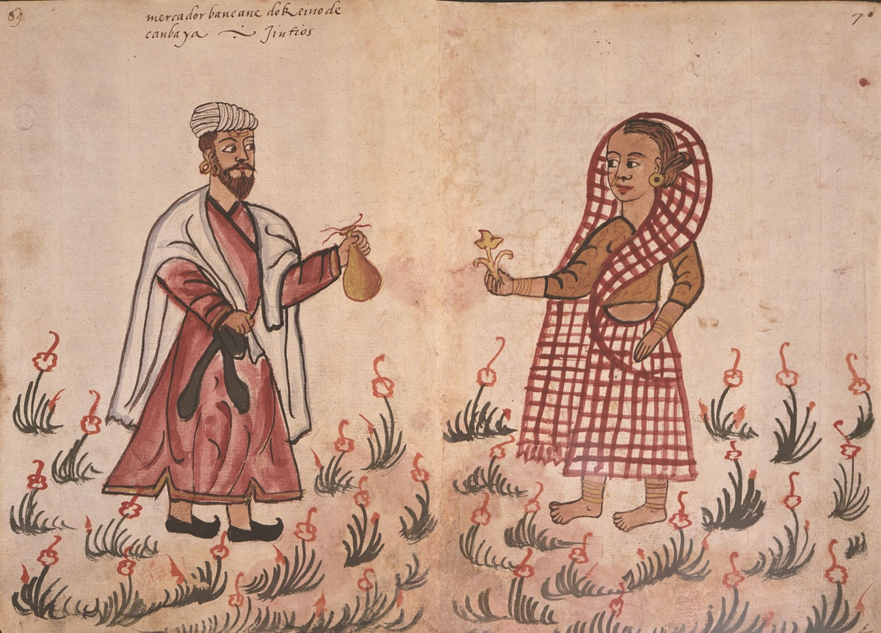
For instance, colonial ethnographer P. R. T. Gurdon described Khasi religious practices as “animism”, these practices were often interpreted through external categories that did not adequately reflect local understandings. The rapid growth of Christian conversion also contributed to the marginalisation of indigenous religious practitioners and their traditions.
These historical developments formed part of the context in which formalisation movements emerged, such as the Seng Khasi Movement in Meghalaya and the Donyi-Polo Movement in Arunachal Pradesh. Such movements sought to preserve and articulate indigenous religious traditions in response to changing social and political circumstances. Their continued significance demonstrates how colonial and missionary encounters continue to shape questions of identity, preservation and belonging in postcolonial Northeast India.
5) Northeast India often sits at the margins of both mainstream subcontinental narratives and European imaginaries of “traditional” India. How does the image of India emerge from your research on the Khasi community?
My research on the Khasi community presents a much more diverse image of India: an India comprising many different communities, languages, practices and worldviews, each with its own cosmologies and traditions.
This perspective highlights smaller communities and their beliefs, practices and traditions, particularly those from Northeast India. Northeast India remains under-represented in many mainstream narratives about the country. Rather than treating the country as a homogeneous entity, I hope my research contributes to a more diverse understanding of India that recognises the plurality of its communities and traditions.
6) What connections do you see between your work and ESIND, particularly regarding how European colonial texts, missionary accounts, and historical encounters have framed indigenous communities in India?
There is a strong connection between my work and ESIND. As I mentioned earlier, European colonial texts, including P. R. T. Gurdon’s The Khasis, were among the earliest writings on the Khasi community. Gurdon categorised local practices as “animism”, such classifications situate an indigenous community in a hierarchy of social and religious development.
European missionary activities were also associated with the colonial state’s broader civilising mission, a phenomenon seen in other parts of India as well, especially in the Northeast. These historical encounters raise important questions about how indigenous communities have been represented through European scholarship and colonial discourse.
My research connects with ESIND through its examination of how such representations have influenced the understanding of Khasi religious practices and identities. It also considers how contemporary practitioners and writers engage with, challenge and reinterpret these inherited categories and representations.
7) Can you suggest a reading or a movie that could allow the reader to approach this topic, and the cultural landscape of Meghalaya and Northeast India, for the first time?
I have spoken quite a lot about P. R. T. Gurdon and his book The Khasis in this interview, but I would recommend Khasi scholar S. S. Khongliam’s book Religion of the Khasi.
Khongliam wrote the book as a critique of the works of P.R.T. Gurdon and H.O. Mawrie (a Khasi thinker and prominent figure of the Seng Khasi organisation). It is a particularly useful read for anyone interested in understanding how European scholarship influenced the study of Northeast India and how modern writers critically examine, question and even challenge these European perspectives. It also offers a way to approach Khasi religious traditions through a perspective that engages with earlier scholarship rather than simply accepting its interpretations.
Evakordor Benson Diengdoh was interviewed by Giuseppe Resta in October 2026