Editors:
Róbert Gáfrik, Institute of World Literature of the Slovak Academy of Sciences
Benedikt Hjartarson, University of Iceland
Ana Jelnikar, Research Centre of the Slovenian Academy of Sciences and Arts
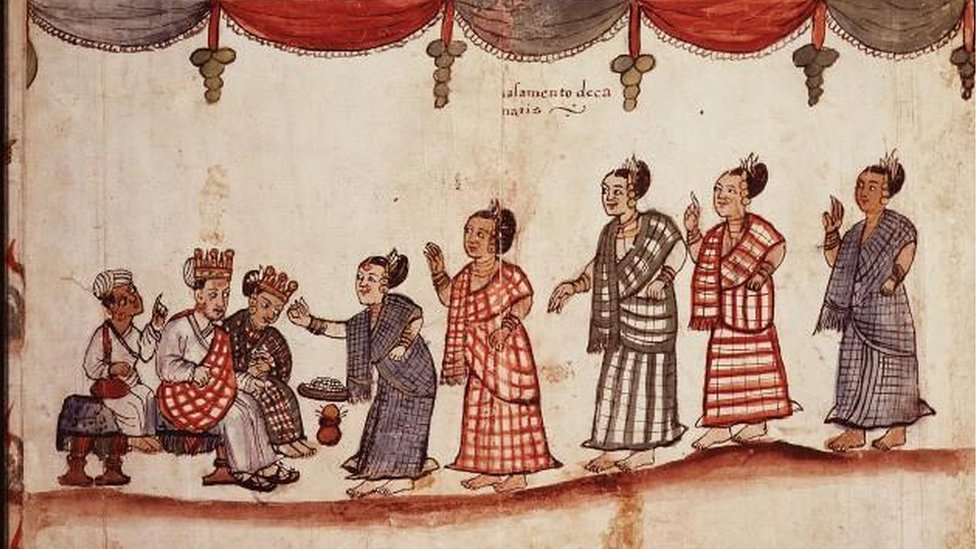
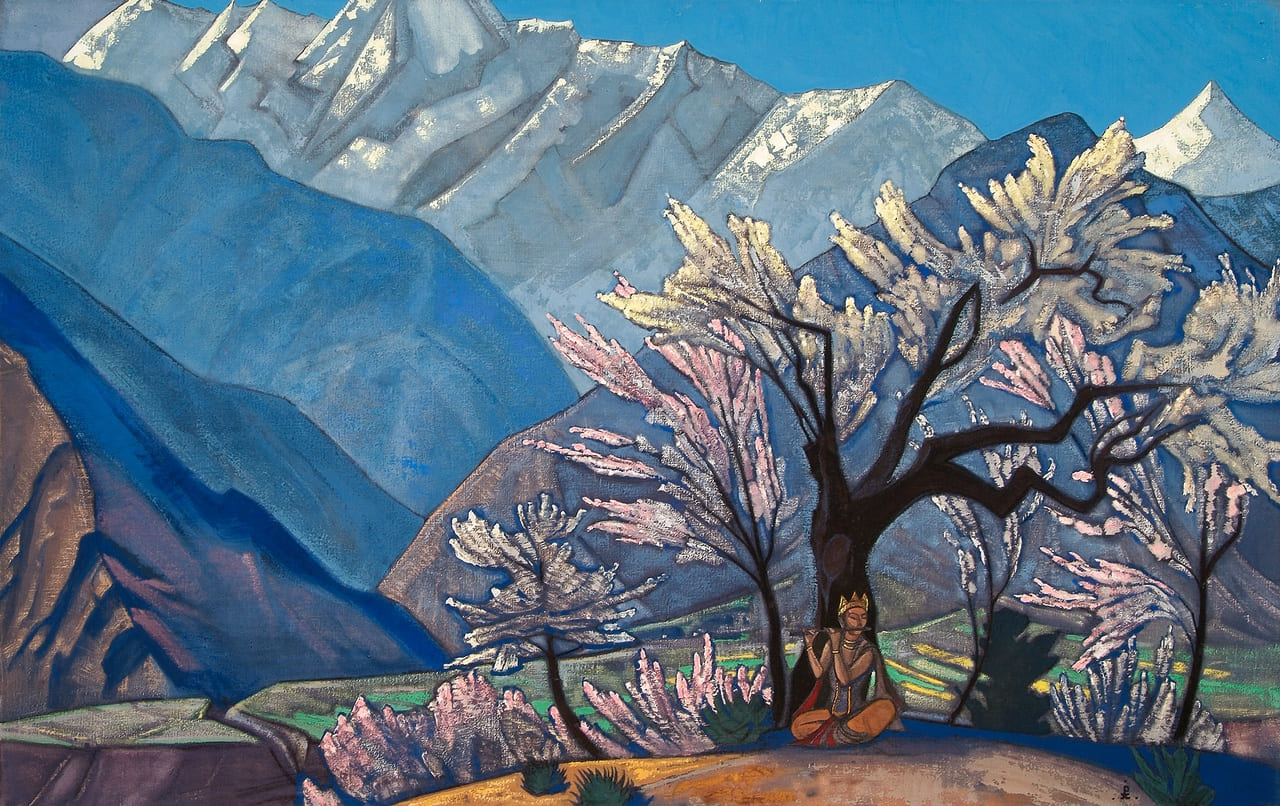
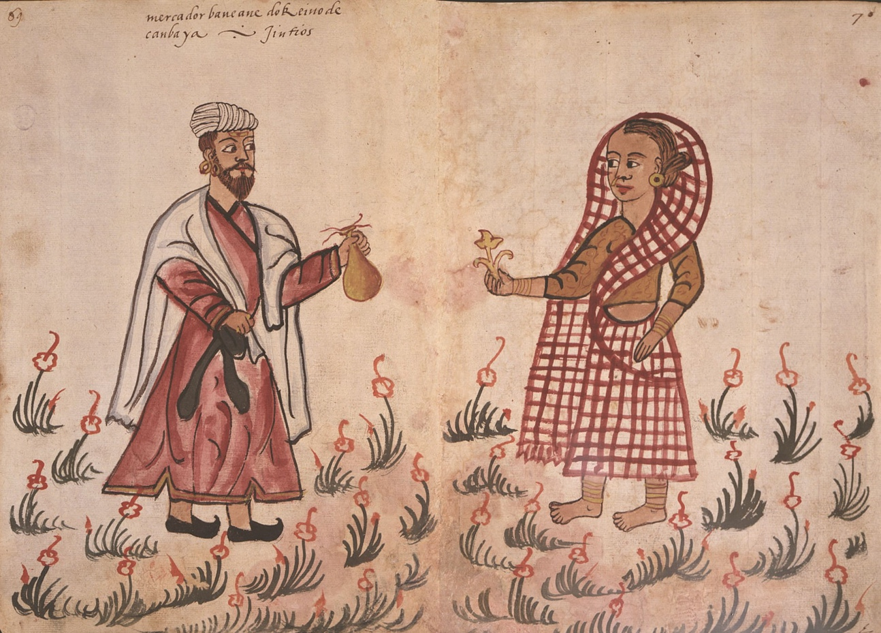
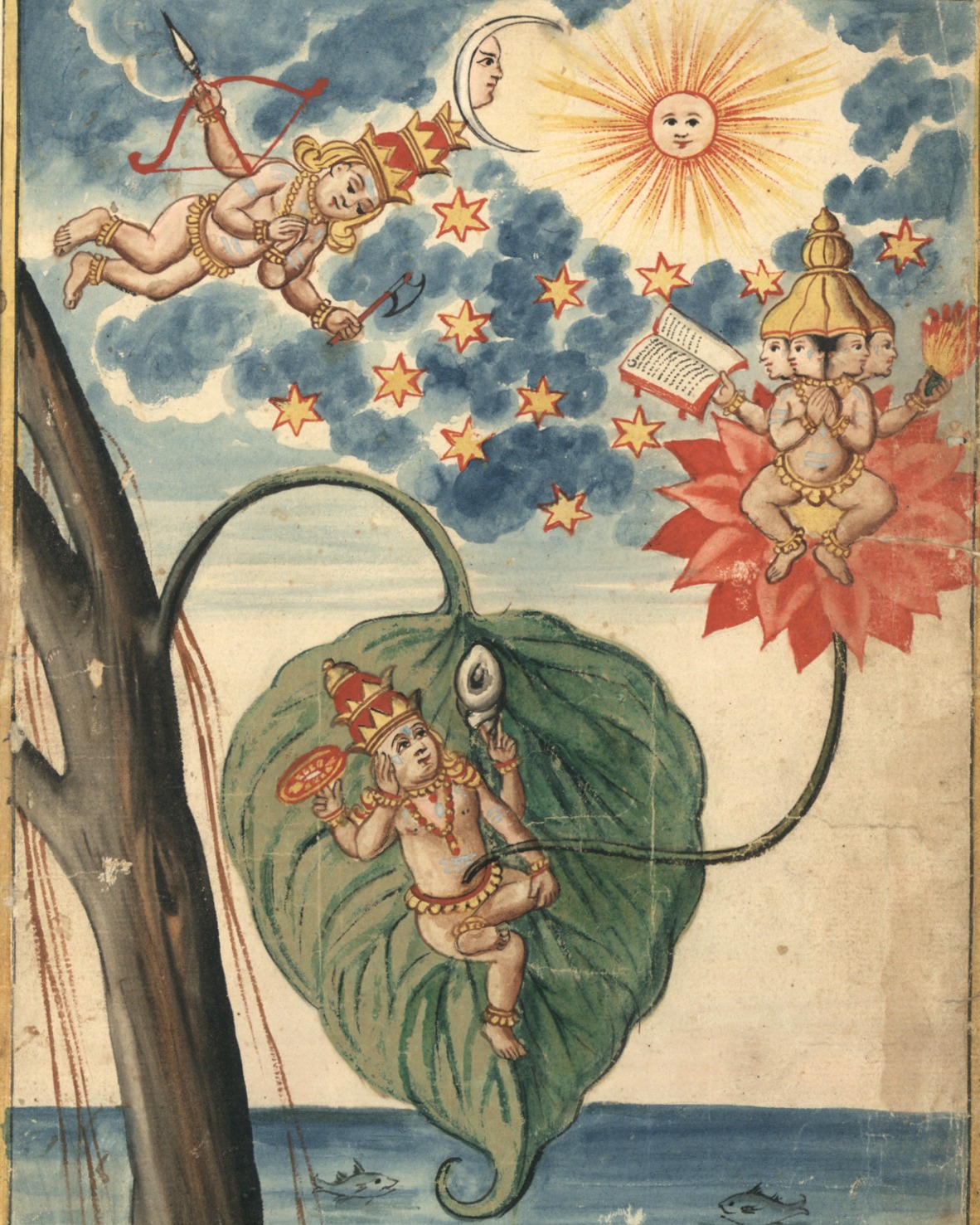
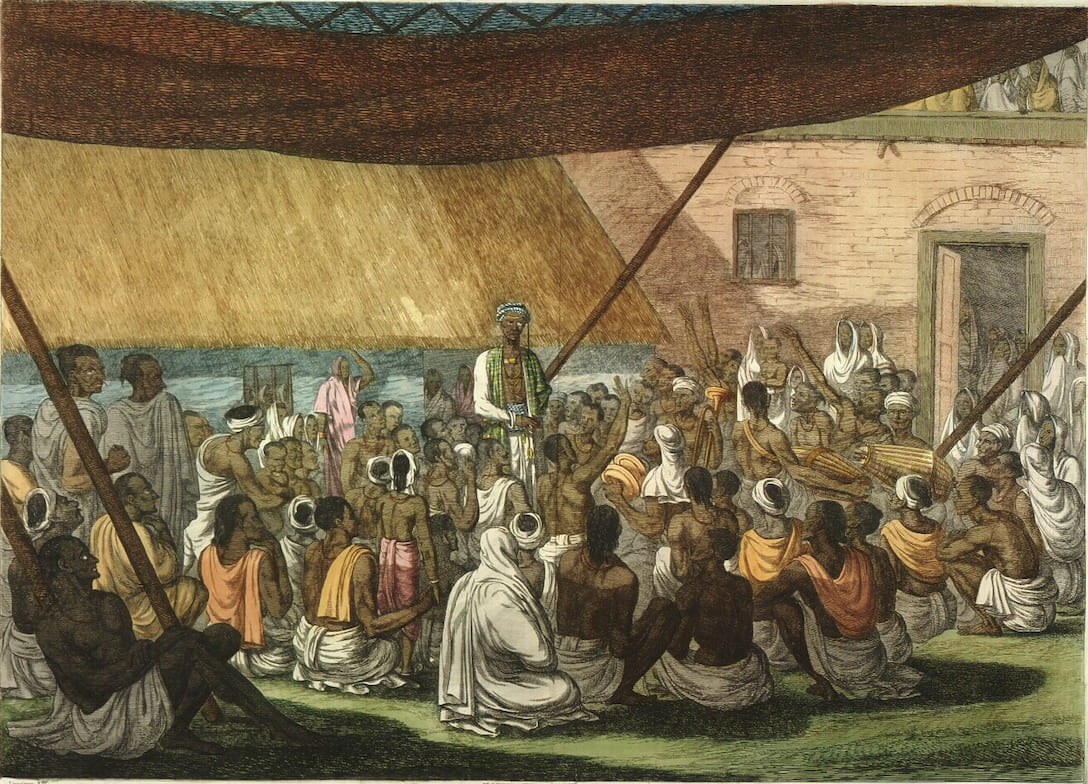
India occupies a long-standing and complex place in the European imagination. It is no less a discursive construct shaped by European intellectual and cultural history than an actual historical place. It reflects European interests, prejudices, longings, and preoccupations – material and intellectual – as much as Indian realities themselves. In European literatures, one can encounter a wide array of representations of India. Many of these depictions have been shaped by colonial discourse, Orientalist frameworks, and exoticizing narratives that frequently portray India as mystical, timeless, primitive, or fundamentally other.
At the same time, European literatures have also generated alternative representations that question, complicate, or even challenge dominant Orientalist frameworks of the past centuries. They may reveal the tensions within European discourses about India, or propose new ways of imagining cultural relations between Europe and the Indian subcontinent.
This issue of World Literature Studies seeks to examine how India has been represented, constructed, and reimagined in European literatures across different languages, regions, and historical periods. We especially welcome contributions that engage with Orientalist representations of India, as well as literary works that offer alternative perspectives or address marginalized voices. Contributions may engage with a variety of genres, including fiction, poetry, travel writing, drama, memoir, reportage, and hybrid or experimental forms.
The journal issue will result from the COST Action network “Europe’s Representations of India: Texts, Images, and Encounters” (COST Action no. 23144, https://esind.eu). The Action examines the development of Europe’s modern representations of India and their impact on encounters between the two regions. It brings together a multidisciplinary pan-European community of researchers to conduct comparative research on how European representations of India have evolved and crystallized across different regions and languages.
Possible topics include, but are not limited to:
- Orientalist and romantic discourses and representations of India in European literatures
- India in European travel and memoir writing
- Symbolic function of India in European texts and nationalist appropriations
- Revisions and critiques of Orientalist representations of India
- Counter-narratives to colonial depictions in European texts
- Women’s representations of India and gendered discourses
- Transcultural literary encounters and affective communities (L. Gandhi)
- Hybrid identities and intercultural subjectivities
- Anticolonial struggle, political internationalism, and the historical role of India
- Experimental forms of representation and literary avant-gardes
Submission Guidelines
Please submit an abstract of 300–400 words along with a brief biographical note (100–150 words). Abstracts should clearly outline the paper’s argument, methodology, and primary texts.
- Abstract deadline: September 15, 2026
- Notification of acceptance: October 30, 2026
- Full paper deadline: April 30, 2027
- Proposed length of full papers: 5,000–7,500 words (including notes and references)
Submissions and inquiries should be sent to: robert.gafrik@savba.sk, benedihj@hi.is and ana.jelnikar@zrc-sazu.si.
WORLD LITERATURE STUDIES is an open-access and print scholarly journal published quarterly by the Institute of World Literature of the Slovak Academy of Sciences. It publishes original, (double blind) peer-reviewed scholarly articles and book reviews in the areas of general and comparative literature studies and translation studies. It is indexed in several international databases, including Arts & Humanities Citation Index, Current Contents/Arts & Humanities, Central and Eastern European Online Library, Central European Journal of Social Sciences and Humanities, EBSCO, Scopus, and ERIH PLUS.