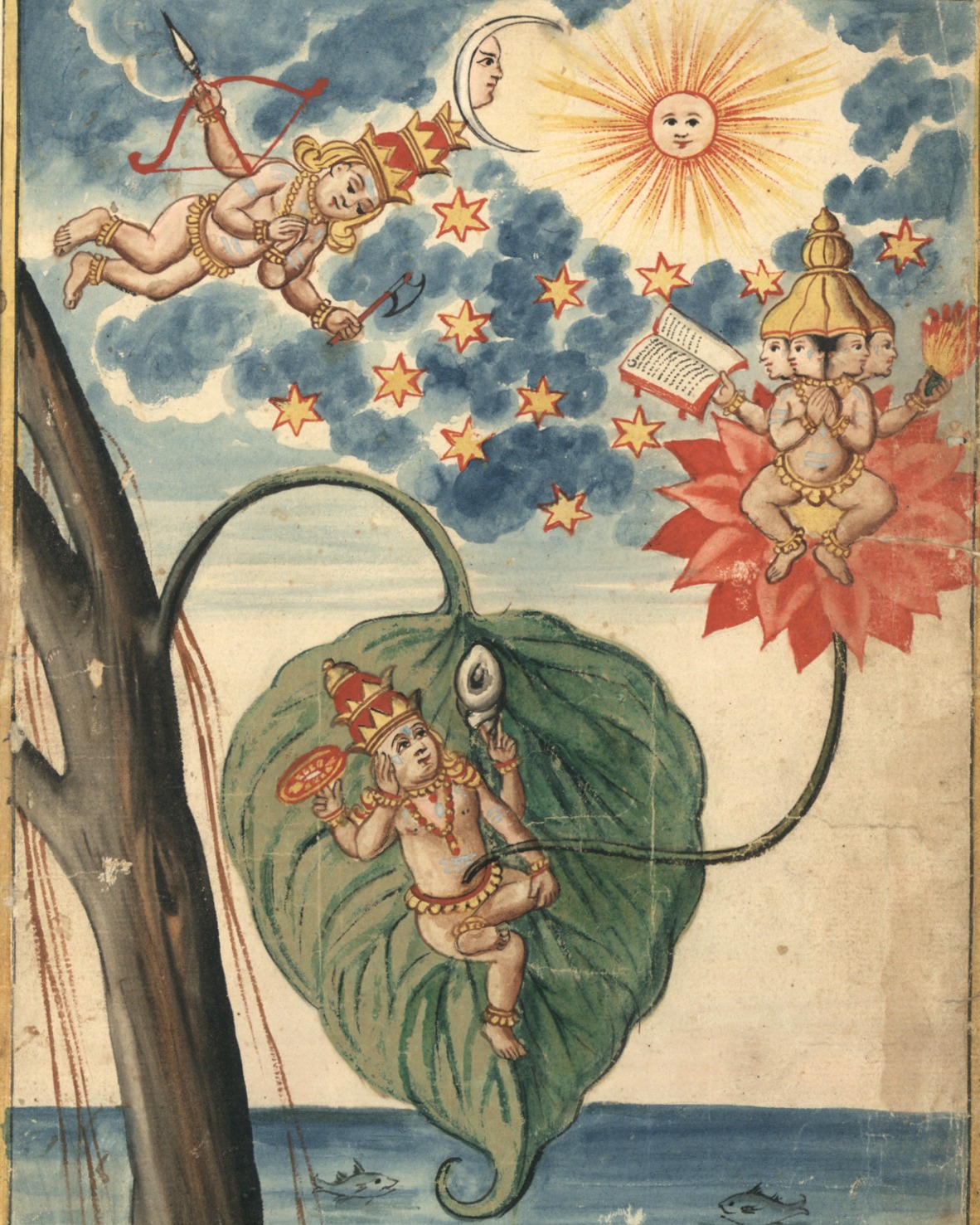
India through the eyes of Lithuanians
An interview with Professor Šarūnas Paunksnis and Associate Professor Runa Chakraborty Paunksnis of the Kaunas University of Technology (KTU), Lithuania
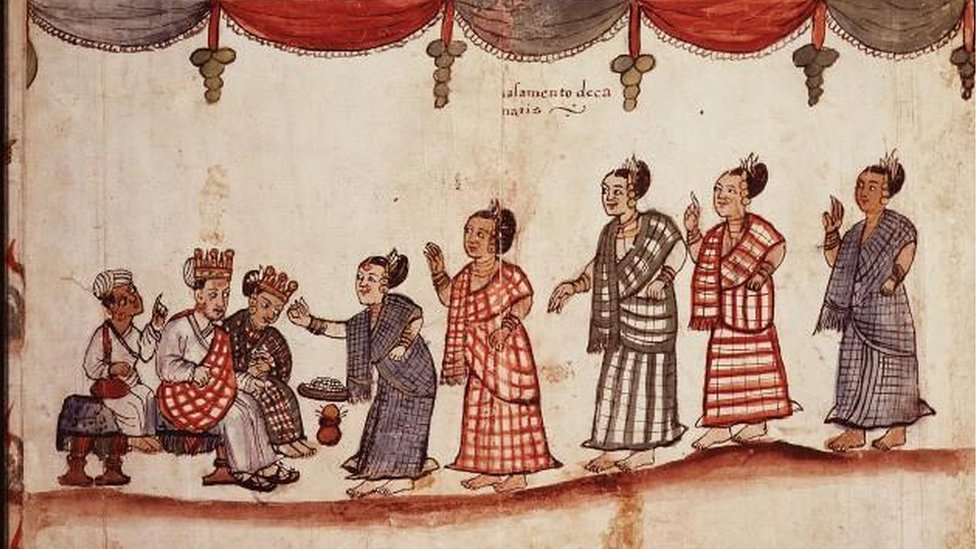
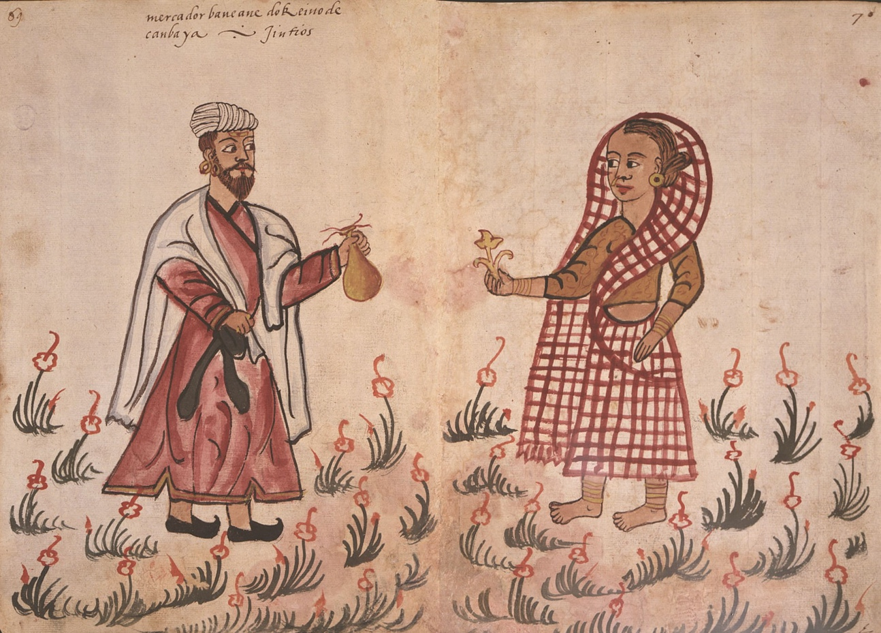
Stereotypes about Indian culture and people were formed as early as the colonial era, when non-Europeans were perceived as culturally inferior and unworthy of the respect and rights enjoyed by the French or British. Today, as India becomes increasingly important to Europe as an economic and strategic partner, Europeans confront a question: how should we address the legacy of centuries-old ideas that have shaped our understanding of Indian culture and society?
The European perception of India is closely linked with the difficult relationship Europeans had with the people and cultures that were different during the colonial era – people of different colour, religion, language, cultural practices or customs. Scholars at KTU Faculty of Social Sciences, Arts and Humanities (KTU FSSAH) Prof. Dr. Šarūnas Paunksnis and Assoc. Prof. Dr. Runa Chakraborty Paunksnis note that Europeans had various attitudes (not necessarily negative) towards India. However, the most dominant and influential perception of India was based on stereotypes.
How do Europeans see India?
“The image of India during the colonial period was constructed as a spiritual and exotic place and such an attitude remains if we look at the representations of India in the contemporary media – cinema, television, and mass media. Such aspects as mysticism, religion, meditation, or yoga are more highlighted than, for example, innovations made in the field of science and technology,” says Assoc. Prof. Dr. Runa Chakraborty Paunksnis.

On the other hand, there is also a completely different perception of India – it is often seen as an underdeveloped and poor country, culturally inferior to European countries.
“For a long time, Europeans thought of themselves as superior in cultural, political, intellectual and other ways. This perceived supremacy, the so-called eurocentrism, did not allow them to look at India, its people and culture without prejudice, stereotypes and racism,” says Prof. Dr. Šarūnas Paunksnis.
Various racism-based attitudes found their way into representations in art and media. Unfortunately, these stereotypes persist. Although Lithuania has had fewer connections with India compared to other Western European countries, Dr. Paunksnis and Dr. Chakraborty Paunksnis, who also teach postgraduate students of Digital Culture at KTU FSSAH, analyse the stereotypes that have emerged in Lithuania and the extent to which they are spread, primarily through digital media.
Historical ties between Europe and India
Western European countries have historically had closer ties to India, resulting in a richer tradition of India representations, as opposed to Eastern European countries, which had limited contact with India. The historical ties between India and nations such as Great Britain, France, Portugal, and Denmark were rooted in colonialism and developed during the colonial era.
According to the KTU FSSAH scholars, the experiences of Eastern European countries in communicating with India were more modest, resulting in fewer representations of India in art, literature, popular media, or films and those that exist remain insufficiently examined.
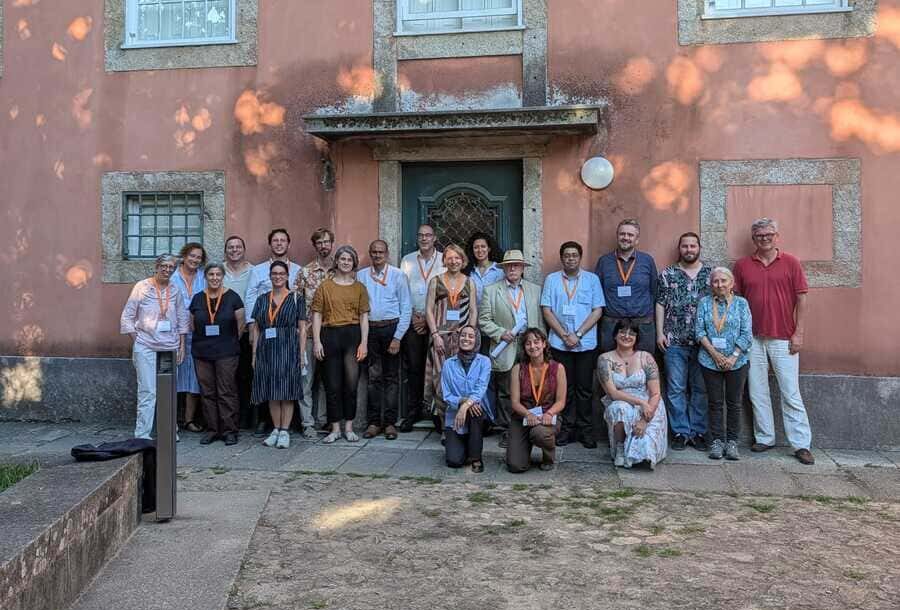
Prof. Dr. Šarūnas Paunksnis and Assoc. Prof. Dr. Runa Chakraborty Paunksnis represent KTU in the COST action “Europe’s Representations of India: Texts, Images, and Encounters” (ESIND). During the project, the researchers will collect and analyse representations of India in various European countries, aiming to understand why certain representations began to dominate, the reasons behind their emergence, and the ways they spread. Scholars at KTU FSSAH will specifically analyse the representations of India in the contemporary Lithuanian media.
Building a digital platform including resources on Europe-India encounters
There have been efforts to change negative and ingrained attitudes. The education sector and academic institutions have been and still remain key ones in the fight against these attitudes and stereotypes. For decades, scholars from various disciplines have been working on forming critical attitudes towards colonialism and racism, analysing its impact and looking at the contemporary society and media.
During the project, scholars will not only attempt to analyse media representations of India-Lithuania encounters but also create a digital platform containing public resources related to representations of India prevailing in Lithuania and the rest of Europe. This platform will serve as a useful tool for research on Europe and India, as well as teaching and learning.
“The digital platform will help students, scholars and anyone else interested to understand the history of representations and relations between Europe and India and it will become a significant tool not only for researchers but also for the general public. The platform will contribute to personal growth, understanding of dominating stereotypes, but most importantly, to breaking them. It is crucial in present times, when discrimination and polarisation are on the rise again,” says Prof. Dr. Šarūnas Paunksnis.

This platform will serve as a repository for evidence, in which examples of representations from various European countries and different languages will be included. The representatives of KTU will be working on the representations in contemporary media.
“We hope that this project will contribute to breaking stereotypes and developing relations between India and Europe (especially Lithuania) without negative prejudices,” says Assoc. Prof. Dr. Runa Chakraborty Paunksnis.
(This interview was first published on the website of Kaunas University of Technology: https://en.ktu.edu/news/india-through-the-eyes-of-lithuanians-researchers-at-ktu-analyse-representations-of-india-in-lithuanian-media/ )