Surveying India: The Jesuit role in the literary, cultural, and artistic exchange with Europe
Call for papers
ESIND research cluster: Jesuit Image(s) of India
Date: 16 and 17 June 2026
Place: Casa Ásia – Colecção Francisco Capelo (Lisbon, Portugal)
(https://casaasia-cfc.scml.pt/en/home/)
Organizers: A partnership between COST Action ESIND ‘European Representations of India: Texts, Images, and Encounters’ and Santa Casa da Misericórdia de Lisboa (Lisbon’s Holy House of Mercy).
This will be an open workshop with a call for papers to connect ESIND members with other researchers in the field. The event is a two-day workshop featuring a keynote speaker and a visit to the Church of São Roque, which is linked to the Jesuits and their missionary efforts in India. The visit will focus on examining iconographic representations of India in the church and sacristy.
Organizing Committee: João Teles e Cunha (Instituto de Estudos Asiáticos, Universidade Católica Portuguesa), Jakob De Roover (University of Ghent), José Alberto R. da Silva Tavim (Faculdade de Letras, Universidade de Lisboa), Teresa Nicolau (Santa Casa da Misericórdia de Lisboa).
Call for papers: Open until April 30, 2026.
Proponents will be contacted by May 1, 2026, to confirm acceptance.
Please send an abstract of your proposal (up to 300 words maximum) with your name and institutional affiliation, and a short bio (up to six lines, the most, with your areas of research and relevant scientific production) to the following address:
workshopjesuitslx2026@gmail.com
The workshop is hybrid, but we incentivize personal participation to encourage debate.
The selection of reimbursed participants will be decided by the Action’s Core Group, following the respective COST rules and regulations.
CALL FOR PAPERS:
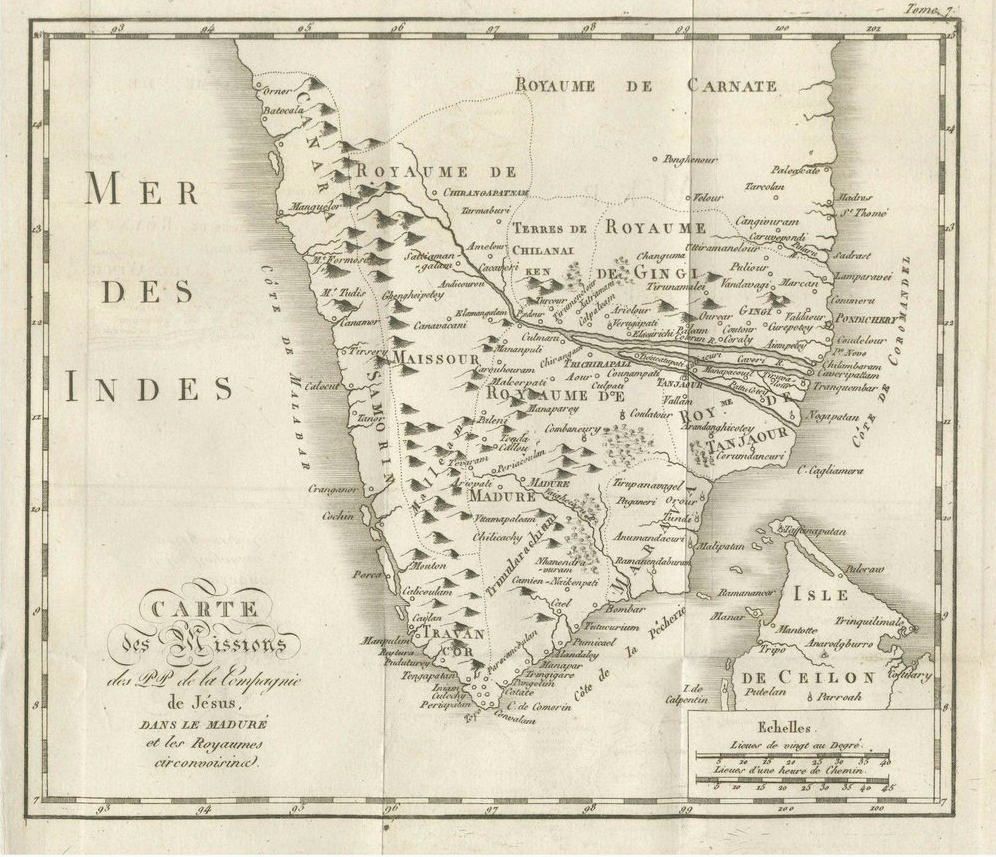
Jesuits played a major role in shaping European perceptions of India from the mid-16th to the mid-18th century (and then on the modern period), influencing much of what Europeans read and discussed about the region. No other European institution in the early modern period produced as many texts, published extensive material, circulated numerous ideas, and shaped more concepts about India than the Society of Jesus. Grounded in firsthand experience, they created the first European comparative anthropological, ethnological, religious, linguistic, literary, and historical discourses on India. Some Jesuits translated early modern versions of Indian classics, such as the Panchatantra and abridged versions of the Mahabharata, into European languages. They made initial efforts at cultural exchange, attempting to connect Indian and Western civilizations with mixed success in art, culture, and religion. Other Catholic orders and later Lutheran, Calvinist, and Anglican missionaries followed, but with less impact than the Jesuits. Nevertheless, the Jesuits’ influence was mixed; much of their material was produced to promote their missionary work, often manipulating information to enhance their achievements, frequently in a polemical tone, and often depicting Indian culture, religions, and society in a negative light, as they aimed to convert Indians to Catholicism.
Despite these shortcomings, which must be taken into account when analyzing their texts, Jesuit materials on India (Annual Letters, miscellaneous correspondence, treatises on Hinduism, tracts on Indian castes, regional histories, dictionaries, grammars, primers, etc., either manuscript or printed) remain a substantial and crucial source to understand what Europeans wrote about and how they fashioned European representations of India for two centuries. More contemporary religious contributors are also important, though they carried less weight in molding Europe’s image of India.
It is the objective of this workshop to examine these materials to explore the following areas:
- Their writings (either manuscript or printed) to study how these impacted in Europe, through its translation into various European languages (Portuguese, Spanish, French, Italian, Flemish, German, etc.) and in Latin (the cultured language of the Western world), to understand how their publication from the mid 1500s onwards, in a singular editorial endeavor unknown in early modern Europe connected with the Society’s printing strategy (covering their early individual efforts to the great collections of the seventeenth and eighteenth centuries, like Fernão Guerreiro’s “Relaçam Annal…” and the “Lettres édifiantes et curieuses”), influenced the creation of different images/ideas of India and its people in Europe.
- Jesuit narratives on Indian history, society (with thorough descriptions of the caste system, gender, and social terminology), religion (especially Hinduism and its followers), languages (particularly the vernacular ones), literature and culture (namely leading to the creation of hybrid texts like the Kristapurana), provided an endless source for study, edition, and translation. However, we must explore why not everything was written for printing, as some materials were intended for internal use only, and others were meant for publication but remained in manuscript form. Furthermore, it is important to delve into the use, misuse, and abuse of Indian terminology in European representations of India, and to understand how these terms were employed and defined or redefined in Europe.
- Any representation of India in Jesuit writings and iconography makes sense only if we recognize the encounter between European missionaries (with their values and cultural filters) and Indians (with different beliefs and cultural backgrounds). While vocation, religious zeal, and even martyrdom influenced the Jesuits’ personal and collective experience in India (whether or not in the spirit of the Society’s accommodation), their knowledge and portrayals of the subcontinent came from the information provided by Indians (converted or not). This resulted in a diverse depiction of their civilization, mores, religion, and society, where natural and cultural constraints from both sides influenced the outcome.
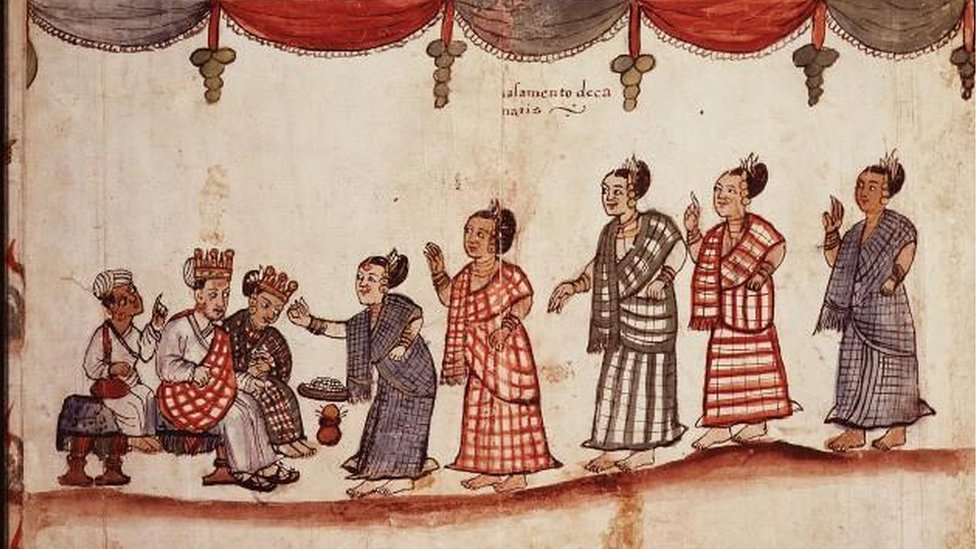
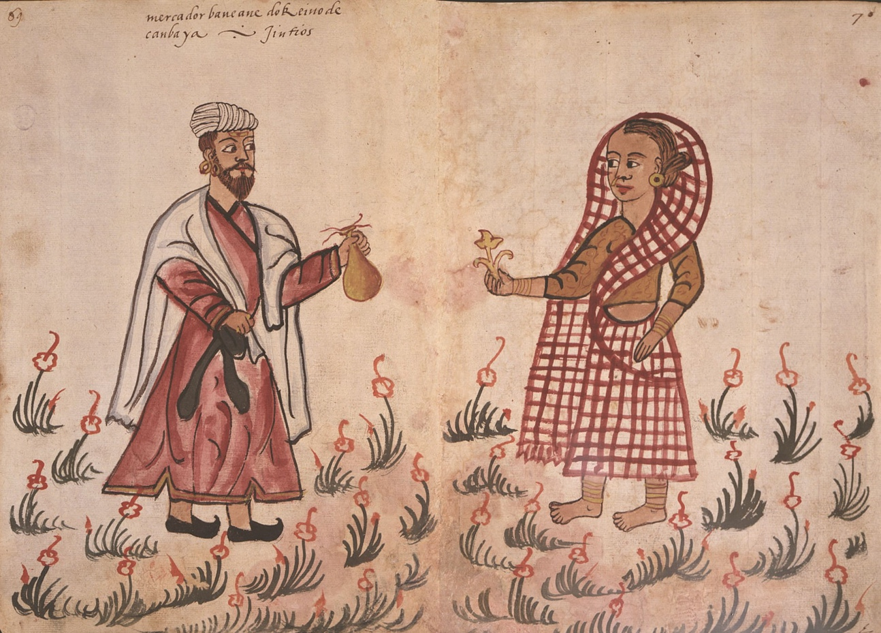
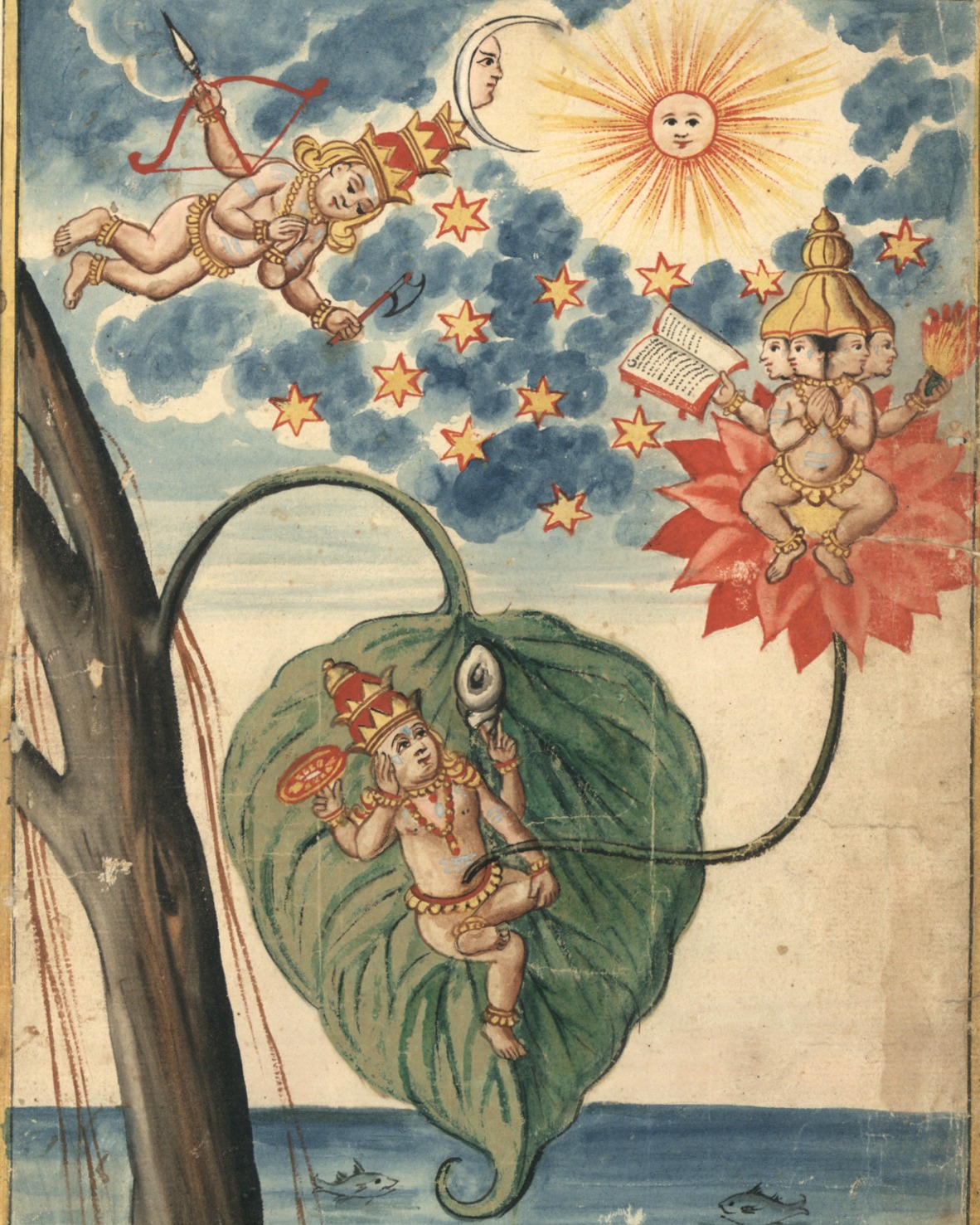
- Less well known, yet also interesting and important, was their contribution to art and architecture in India, where artistic hybridization took place—in painting and sculpture, namely by employing Indian artists and craftsmen—as well as to trade in Indian-related artifacts, namely textiles, ivories, and other commodities with Europe. Not to mention representations of India and Indian themes in their European churches and colleges.
These are some of the themes worth exploring, connected with the Jesuits and other European missionaries, to see how Europe fashioned and refashioned its images of India in the subcontinent proper and in Europe throughout the longue durée.