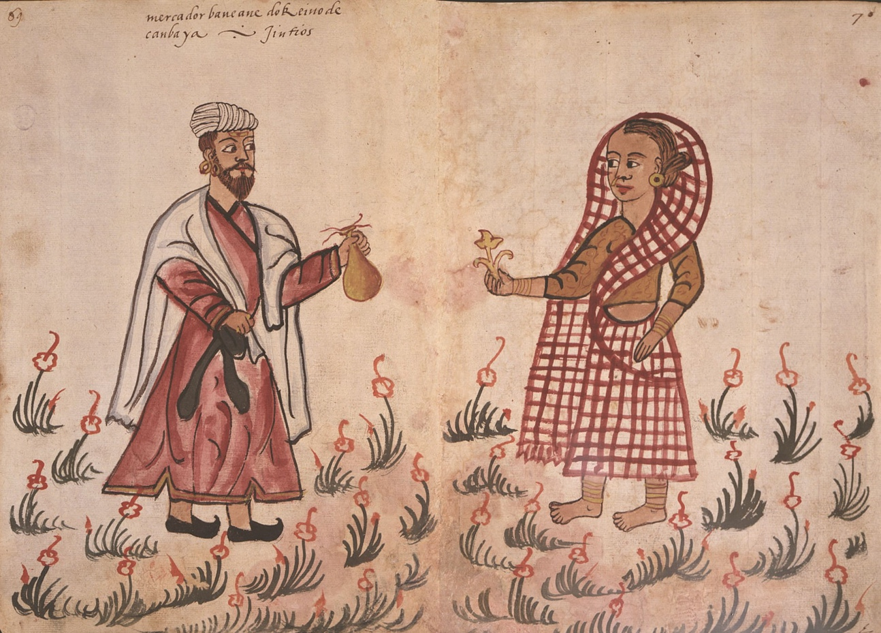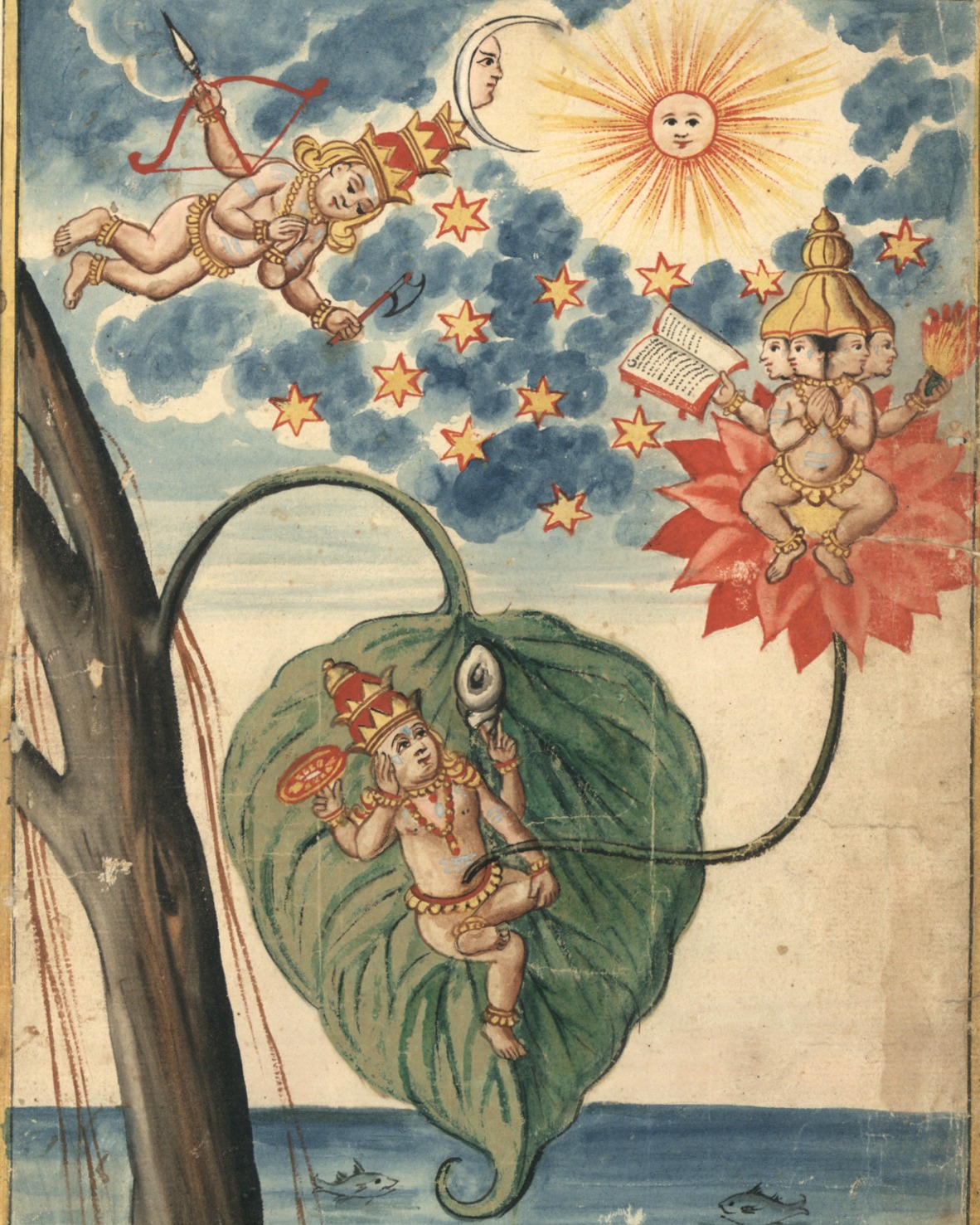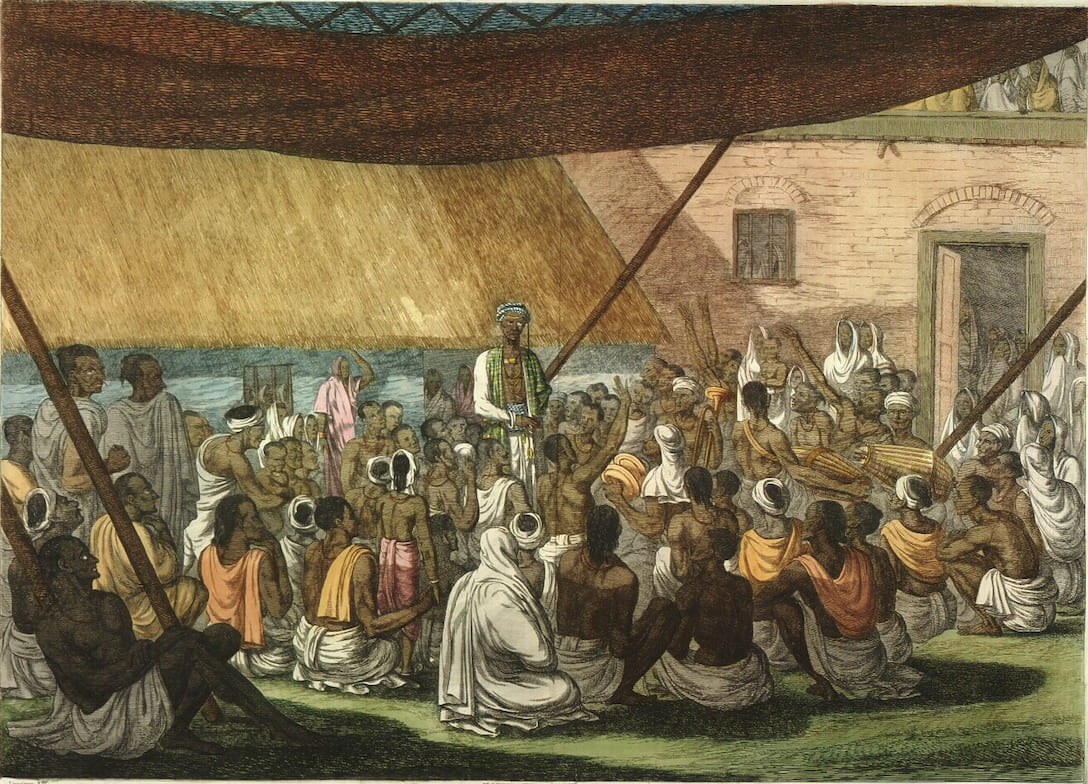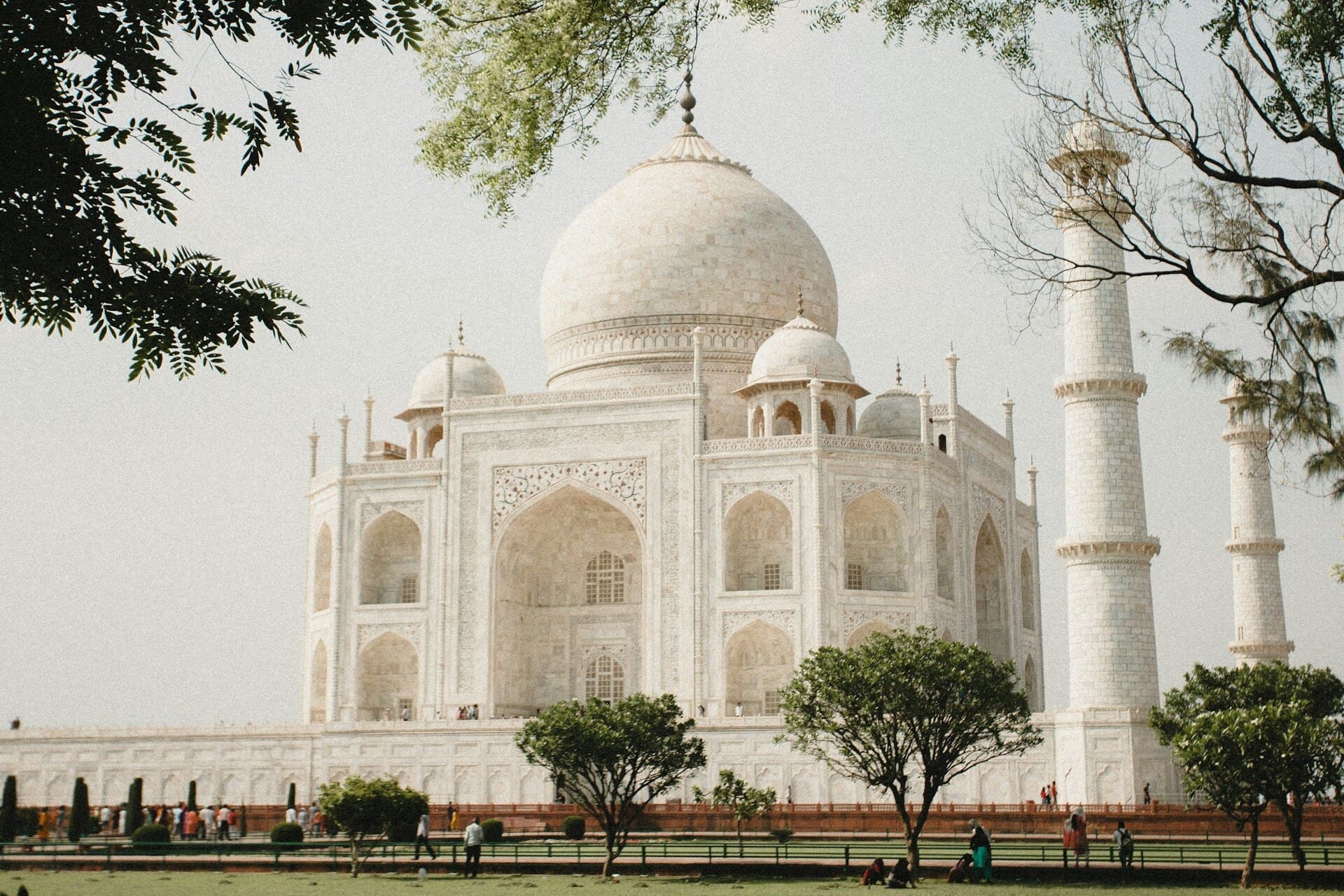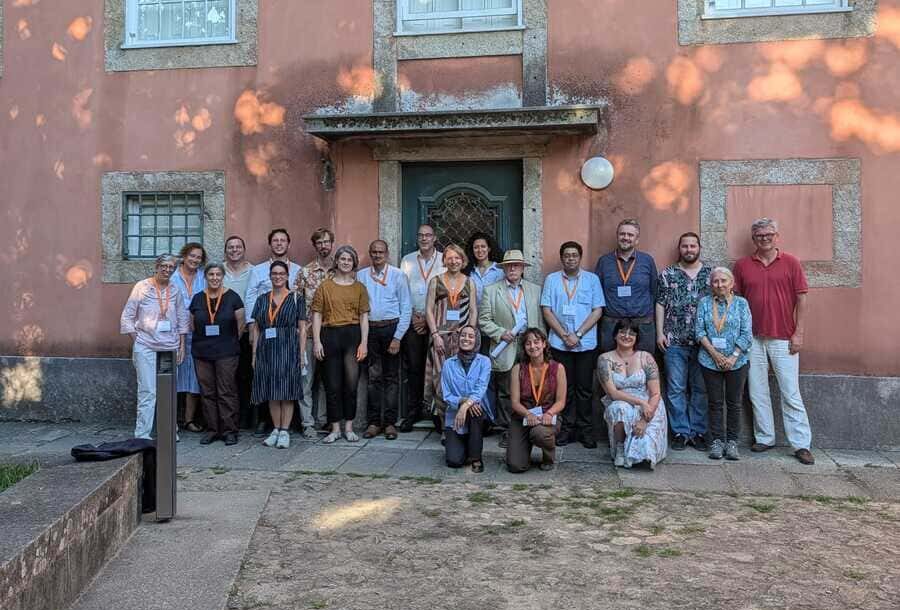
The workshop and seminar ‘Cultural Heritage and Visual Representations of India,” co-organised by ESIND (CostAction23144) and ID-SCAPES (ERC/COG/101125057), addressed the study of India’s visual heritage within broader debates on colonial knowledge, artistic exchange, and the making of global cultural histories. Over the centuries, the Indian subcontinent has been represented through a wide range of media—including maps, architectural drawings, paintings, photographs, and collections of objects—reflecting entangled histories of exploration, empire, and cross-cultural translation. These visual representations have played a decisive role in shaping how India has been imagined and understood, both within and beyond South Asia. Moreover, such images have functioned as instruments of knowledge and power, framing India within visual and epistemic conventions that continue to inform contemporary scholarly discourse and heritage practices. The workshop took place from June 29th to July 1st, 2026 at the Faculty of Architecture, University of Porto, Portugal.
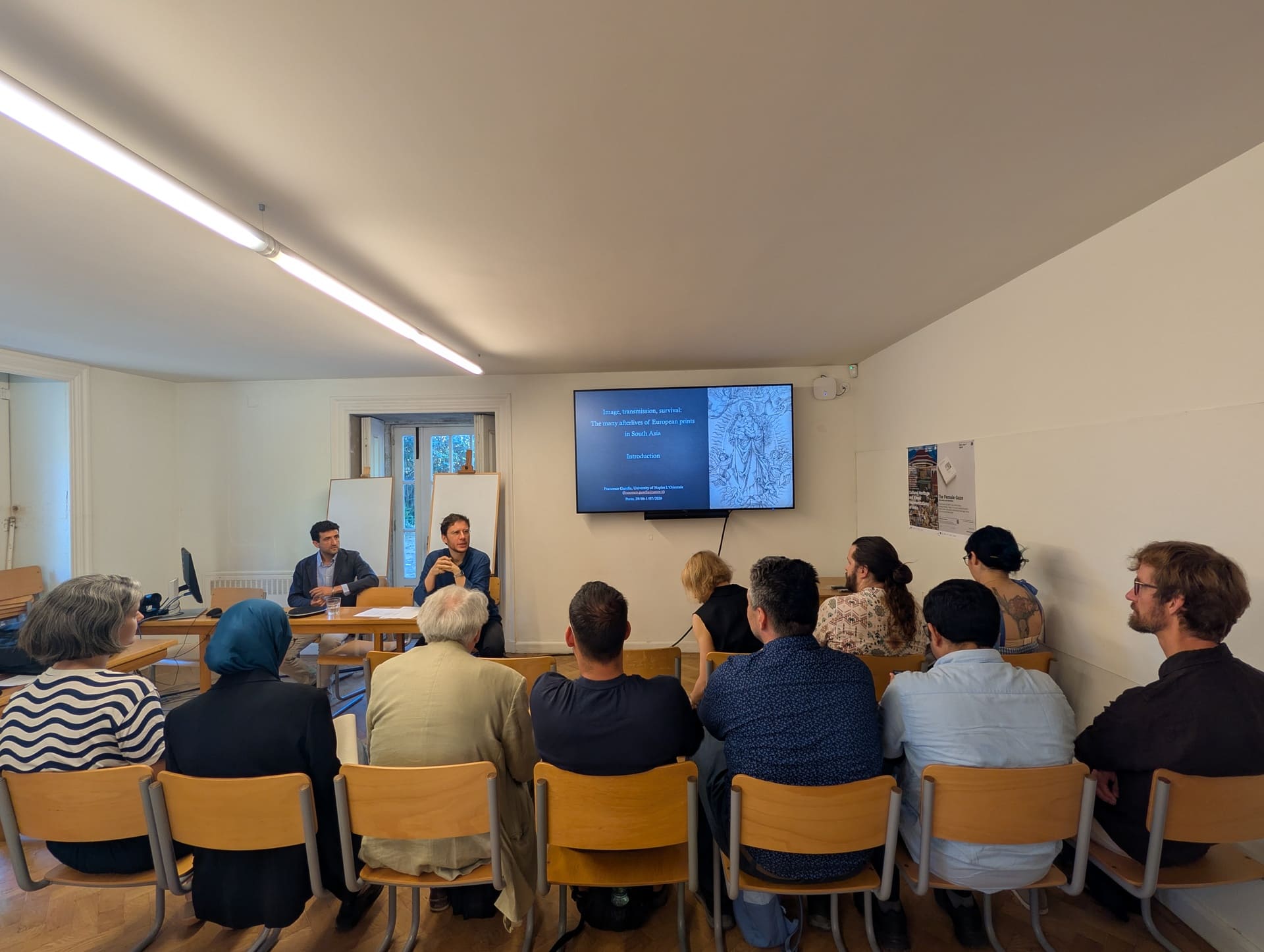
On the first day, the session coordinated by Dr Francesco Gusella, “Image, transmission, survival: The many afterlives of European prints in South Asia,” analysed Bengali embroideries between late Renaissance taste and local symbology; European-origin elements in Mughal miniature paintings and imperial albums; and Sindi-Gujarati inlaid cabinetmaking.
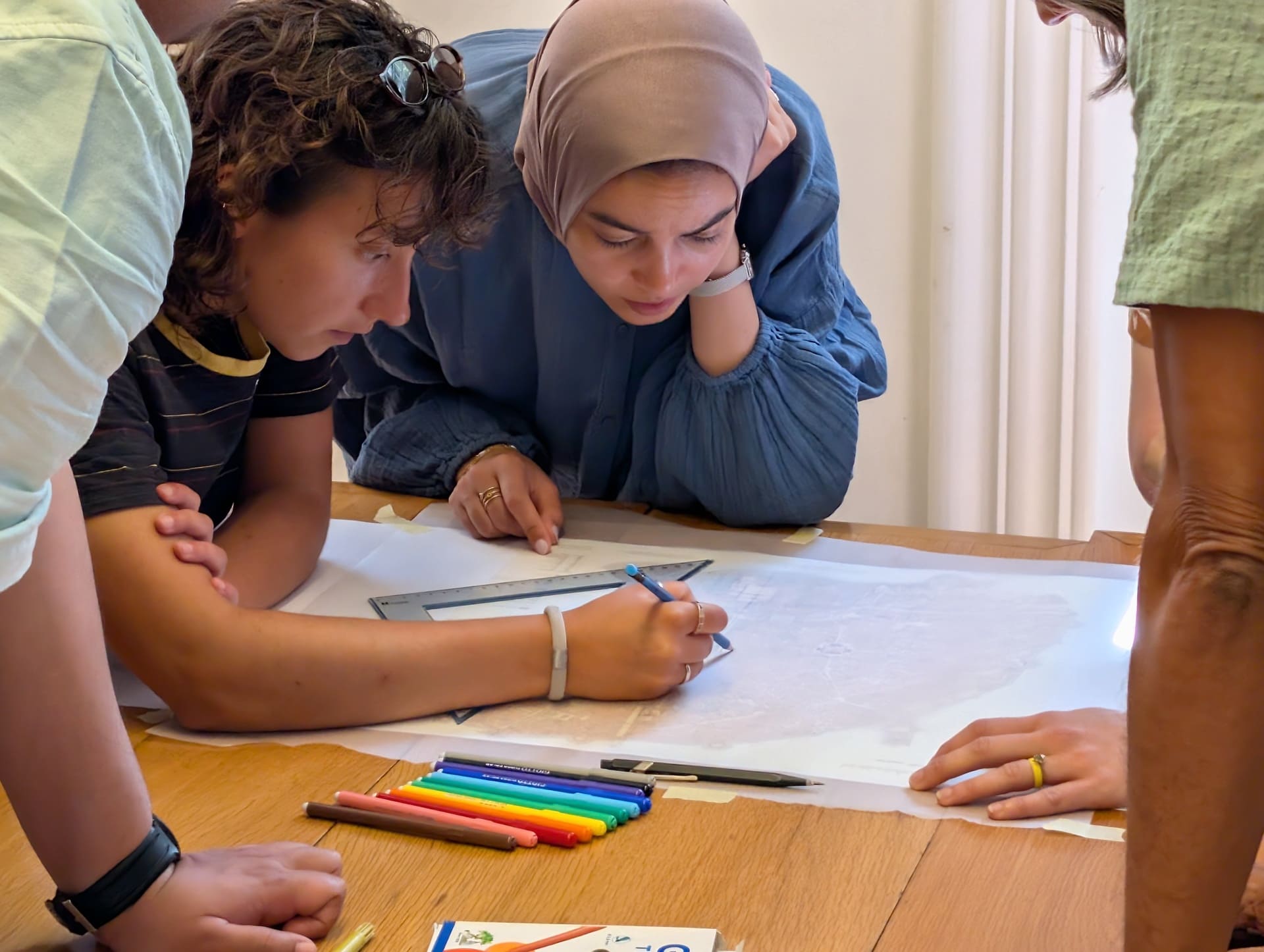
On the second day, in the morning, one session titled “Methods of Reading Oriental Urban Fabric” coordinated by Prof. Attilio Petruccioli, allowed participants to work on maps and cartography of two Indian cities. In the afternoon, the session titled “Photographic Collections and Cultural Heritage of Portuguese Influence” with Sidh Losa Mendiratta, Giuseppe Resta and Tiago Cruz invited participants to analyse two photographic collections of India (Mário T. Chicó and Gritli von Mitterwallner) and elaborate a curatorial project for an art exhibition concerning photographic representations of India.
The third day was dedicated to a seminar with paper presentations, introduced by the keynote speakers Ines G. Županov (CNRS, Paris) and Attilio Petruccioli (University of Rome, La Sapienza; Bibliotheca Orientalis). A whole session featured paper presentations by ESIND members (Arnab Dutta; Emil Drápela; Jolita Zabarskaite) chaired by Giuseppe Resta. At the end of the day, workshop participants presented their reflections on the workshop during a roundtable. The results of the workshop and seminar will be published in an edited book in 2026.